
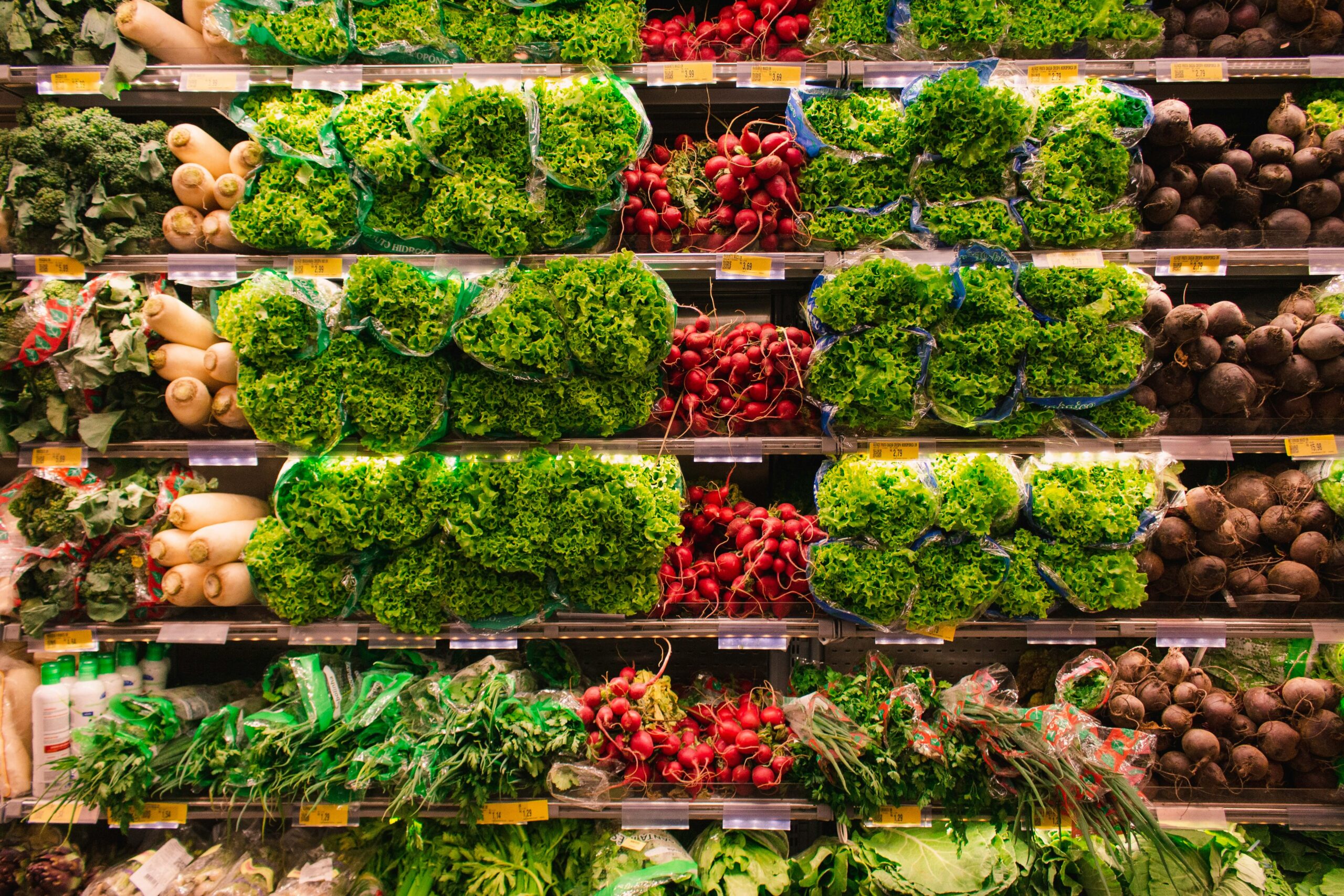
Food sustainability is a pressing issue that encompasses how food is grown, distributed, consumed, and even packaged. While much of the focus has been on agricultural practices and consumption habits, one often overlooked factor is the role packaging can play in preventing food waste.
In this article, we’ll explore the connection between sustainable packaging and food sustainability, shedding light on how innovative packaging solutions can help reduce food waste and protect the environment, too.
What is Sustainable Food and Packaging?
Sustainable food refers to practices that minimize environmental harm, promote social equity, and ensure economic viability throughout the food supply chain. However, packaging—often overlooked or simply viewed as a contributor to waste—is actually a critical component of this system when it comes to factors such as reducing food spoilage and extending shelf life.
Sustainable packaging involves the use of materials and designs that are environmentally friendly, recyclable, compostable, or biodegradable while effectively protecting food from spoilage. From a product’s packaging to the packaging used to transport and ship the food, it’s all important and plays a role in the overall sustainability story of our food system.
The Food Waste Crisis
Food waste is a global issue with serious environmental, social, and economic consequences. According to the United Nations Food and Agriculture Organization (FAO), roughly one-third of all food produced globally is wasted. It’s estimated that 14% of all food produced globally is lost between harvest and retail alone. When looking solely at the United States, people waste 92 billion pounds of food annually, which is equal to about 145 billion meals, according to the Feeding America organization.
Some of the key contributors to food waste are:
- Spoilage and/or damage during transportation and storage
- Lack of proper preservation
- Uneven portion sizes and packaging inefficiencies
If we want to create a sustainable food system, reducing food waste at every stage of the supply chain is crucial.
Why It Matters
Why is food waste such a big deal? Well, when we consider all the elements that go into producing the food we eat, our wastefulness can prove to have translated to wastefulness of other resources. In other words, it impacts the larger story of sustainability.
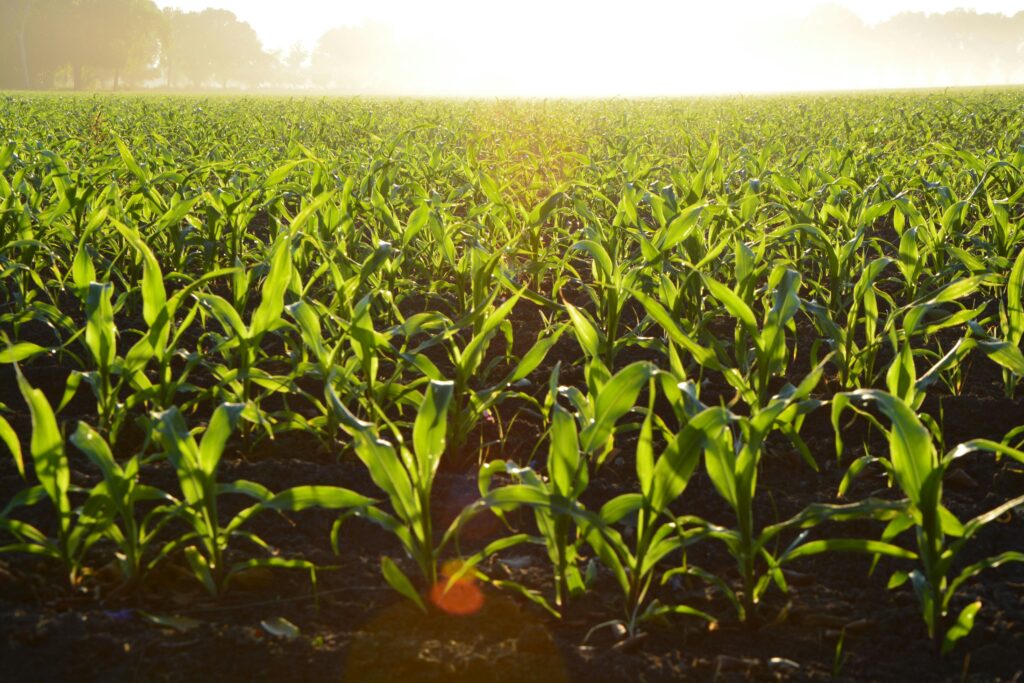
For example, in order to grow food, crops require fertile soil, water, sunlight, and clean air in order to grow and thrive. In fact, nearly 70% of all water used globally is used for agricultural purposes. By wasting grown crops, we waste the finite resources that went into creating them.
When discussing livestock, animals require water, food, shelter, and clean air at a minimum. Consider the fact that a dry cow (used for meat) consumes 9-12 gallons of water a day, while a lactating cow (used for dairy) consumes an average of 30-40 gallons of water a day! That’s just looking at one resource that goes into raising a particular livestock animal, such as a cow. So, by wasting animal products, we waste the countless resources that went into creating them.
When we consider what’s truly sustainable, it’s easy to see how food waste is a sustainability crisis, because our food has a much bigger environmental impact that we often don’t think about.

How Sustainable Packaging Reduces Food Waste
Packaging isn’t just about aesthetics or branding; it plays a vital role in keeping food fresh and safe. Here’s how sustainable packaging solutions contribute to mitigating food waste:
- Extending Shelf Life
Innovative packaging materials, such as modified atmosphere packaging (MAP) and vacuum-sealed options, can slow the spoilage of perishable items. For example, MAP reduces the oxygen levels inside packaging to keep fresh produce and meats from deteriorating quickly. - Portion Control
Single-serve and portion-sized packaging help consumers use only what they need, minimizing waste from over-preparation or spoilage of bulk quantities. - Smart Packaging Technologies
Emerging technologies, such as time-temperature indicators or freshness sensors, allow consumers and retailers to monitor food quality more effectively. These innovations reduce unnecessary disposal of food that is still safe to consume. - Compostable and Biodegradable Materials
When food waste inevitably occurs, compostable packaging materials can be discarded alongside organic waste, reducing the overall environmental impact. - Improved Transportation Packaging
Durable yet sustainable packaging materials help prevent damage and spoilage during transportation, reducing waste across the supply chain. Many of these sustainable packaging options are even recyclable after use, further helping to eliminate waste.
Choosing Sustainable Packaging as a Consumer
Obviously as consumers, we should be more conscious of our food consumption, but the issue of food waste is not exclusive to the end consumer; producers should be just as engaged with finding ways to reduce food waste. With that in mind, we as consumers have the power to influence the market by choosing products with sustainable packaging and practices. Here are a few tips to guide your decisions:
- Look for Packaging Labels: Opt for products with packaging labeled as recyclable, biodegradable, or compostable.
- Buy Only What You Need: Select items with portion sizes that match your household needs to avoid over-purchasing. Consider also shopping for food on a more regular basis, such as weekly, to ensure you buy only the food you need at the time.
- Support Innovative Brands: Many companies are investing in advanced packaging solutions that prioritize sustainability and food freshness. Be on the lookout for these packaging innovations.
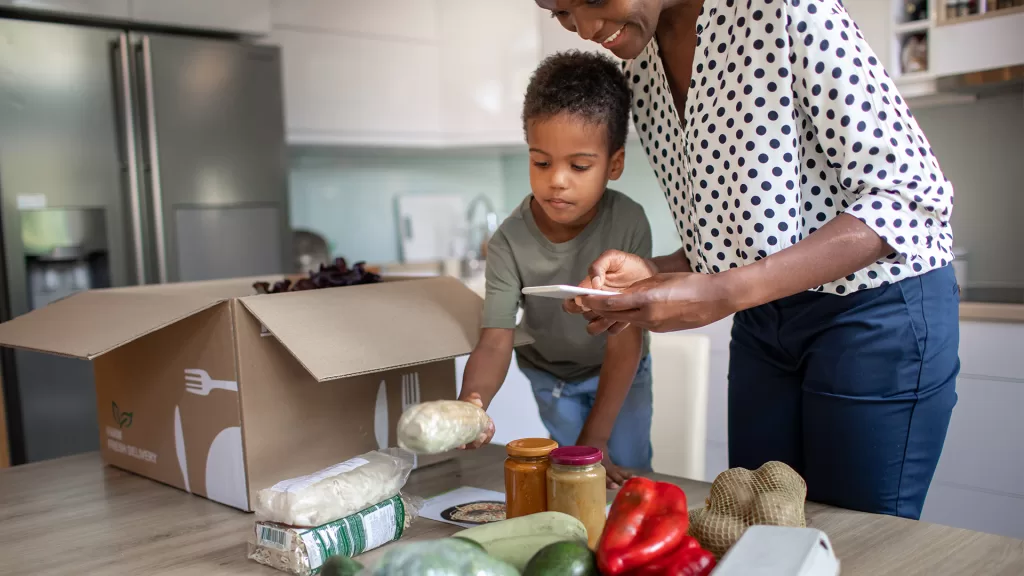
- Online Food Shopping Awareness: When ordering food through online means, whether meal kits or other forms of food delivery, seek to order from brands taking intentional measures to help prevent food waste. Often these companies utilize transportation packaging that is designed to keep food protected from damage and spoiling, while also being sustainable.
Packaging as a Tool for Change
Sustainable packaging is far more than a buzzword—it’s a powerful tool in the fight against food waste. By keeping food fresher for longer, preventing spoilage and damage during transport, and supporting environmentally friendly disposal, it plays a critical role in building a sustainable food system.
At CMS, we’re proud to say we offer truly sustainable packaging options that can be used for food transportation. Made from recycled content, CMS thermal packaging options offer sustainable solutions that provide necessary protection from damage and spoilage.
InfinityCore Thermal Liners
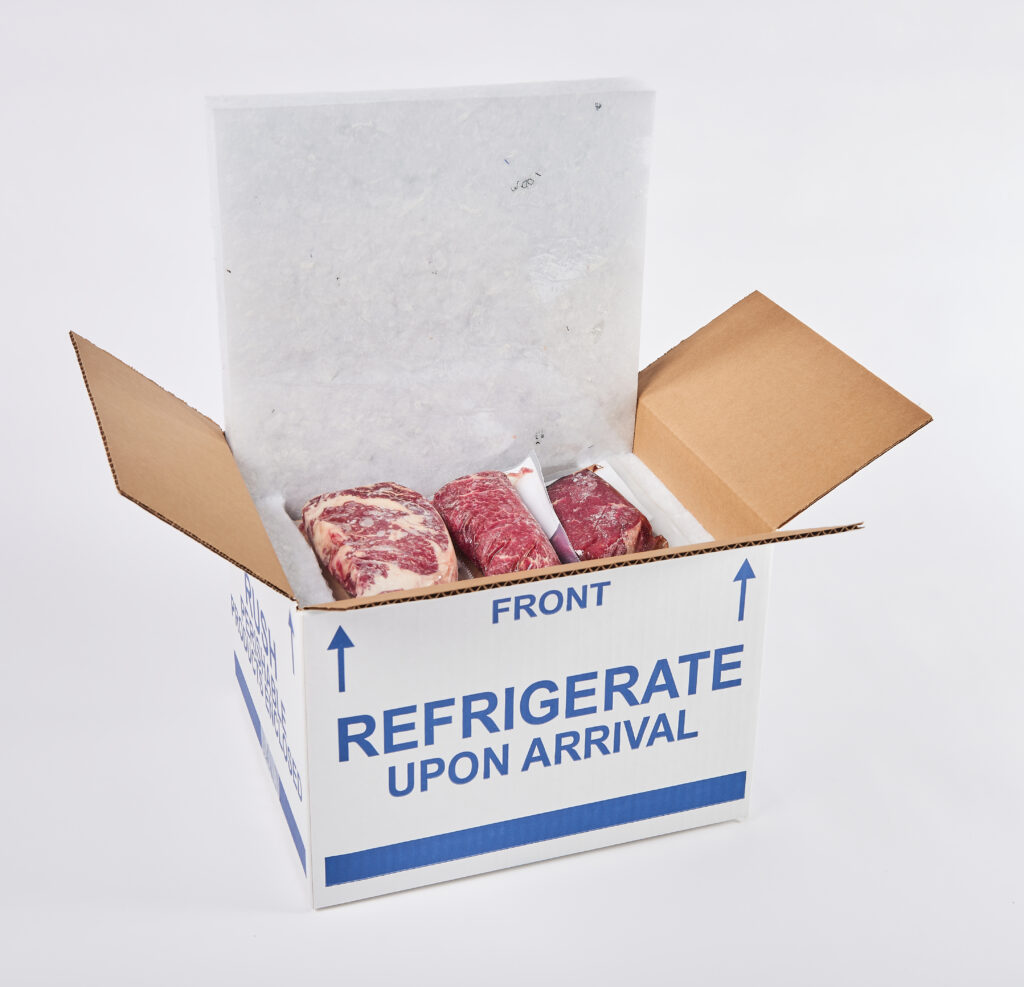
InfinityCore thermal liners are made from recycled #1 PET plastic. Offering excellent thermal performance, InfinityCore provides up to 72 hours of protection while requiring less refrigerants than other products. This helps ensure spoilage does not occur during transit. In addition, it cushions and protects the payload, helping to also prevent food from being damaged during shipping processes. InfinityCore can also be recycled with plastics after use.
InfinityCell Thermal Liners
InfinityCell thermal liners are our recycled paper alternative. Similar to InfinityCore, it offers exceptional thermal performance while also physically protecting the payload. And, after use, InfinityCell is curbside recyclable and even certified repulpable.
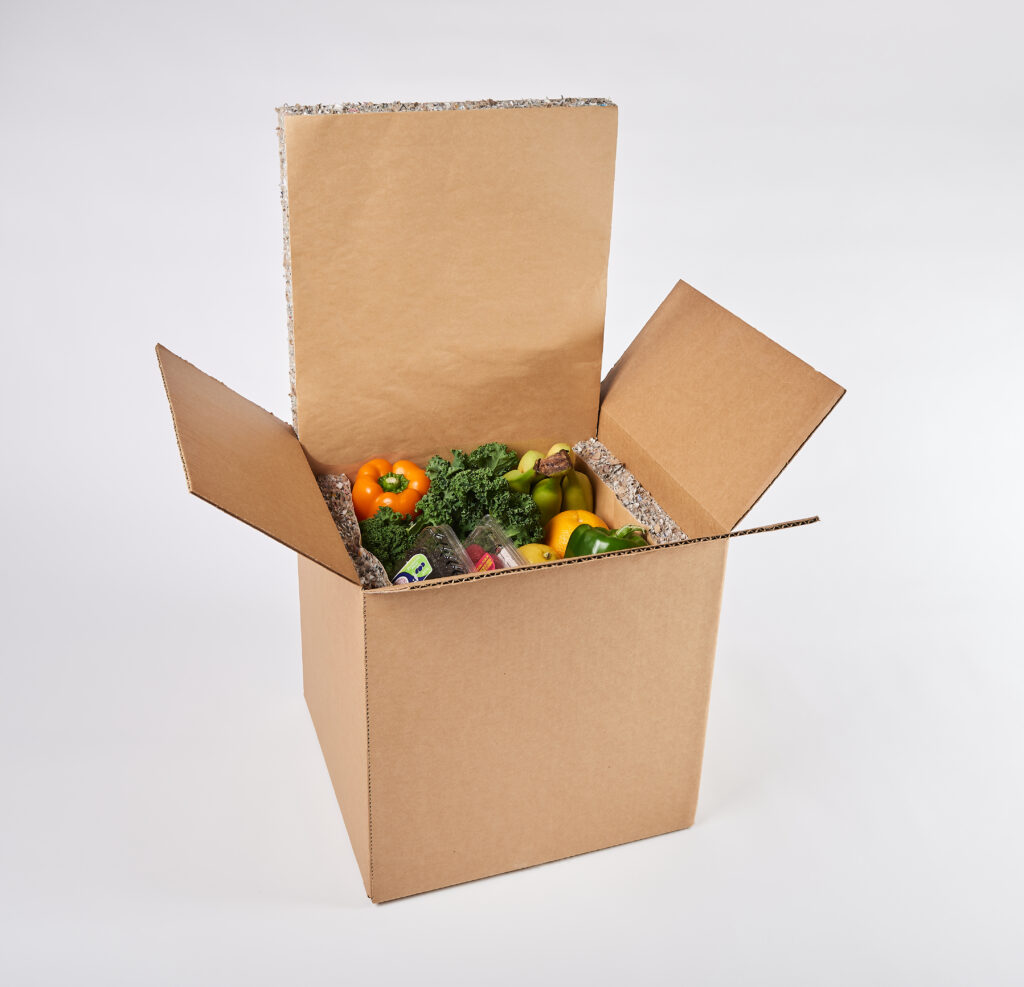
An added bonus to CMS sustainable packaging options is that they are highly customizable. Depending on your transportation needs, we at CMS will work with you to engineer a sustainable packaging solution that performs entirely as you need it to!
Putting It All Together
The sustainability of our food system matters. Every step in the supply chain is crucial, from production, to harvest, to transport, to retail, and to consumption. Everyone has a part to play in helping to foster a system that promotes sustainable practices.
As an individual, it may be easy to see how we can take action to reassess our consumption habits, but it might be harder to see how we can have an impact on the bigger players involved. Remember that every product you buy is a chance to make a statement about the kind of food and packaging systems you want for the future, so choose sustainably!
When it comes to pursuing sustainability, no step is too small. Every choice we make can contribute towards a greener future. And when it comes to the big picture of creating a more sustainable food system, packaging is a key component that should no longer be overlooked.