
From packaging to consumer goods, the materials we choose to use—and reuse—have a profound impact on our planet. As landfills overflow and climate challenges intensify, consumers and businesses alike are seeking ways to reduce their ecological footprint. One of the most effective ways to do this? Choosing products made from recycled materials.
Companies like Cellulose Material Solutions, LLC (CMS) are helping pave the way toward a more sustainable and circular economy by manufacturing innovative products from recycled materials, most notably paper and PET plastic. This commitment to sustainability shows how thoughtful material choices can benefit not only the environment but also industries and communities worldwide.
1. The Environmental Benefits of Recycled Paper
Paper continues to be a staple in modern life, from packaging and tissue products to office supplies and industrial uses. Unfortunately, paper production can be highly resource-intensive, but that’s where recycled paper comes in.
Key Environmental Benefits:
- Deforestation Reduction: Recycling one ton of paper saves approximately 17 trees, preserving essential forest ecosystems and biodiversity.
- Less Waste in Landfills: Recycling diverts waste away from landfills, where decomposing paper emits methane, a potent greenhouse gas.
- Lower Emissions: There is less energy needed to manufacture recycled paper than what it takes to manufacture virgin paper. Reduced energy consumption means fewer greenhouse gases released into the atmosphere.
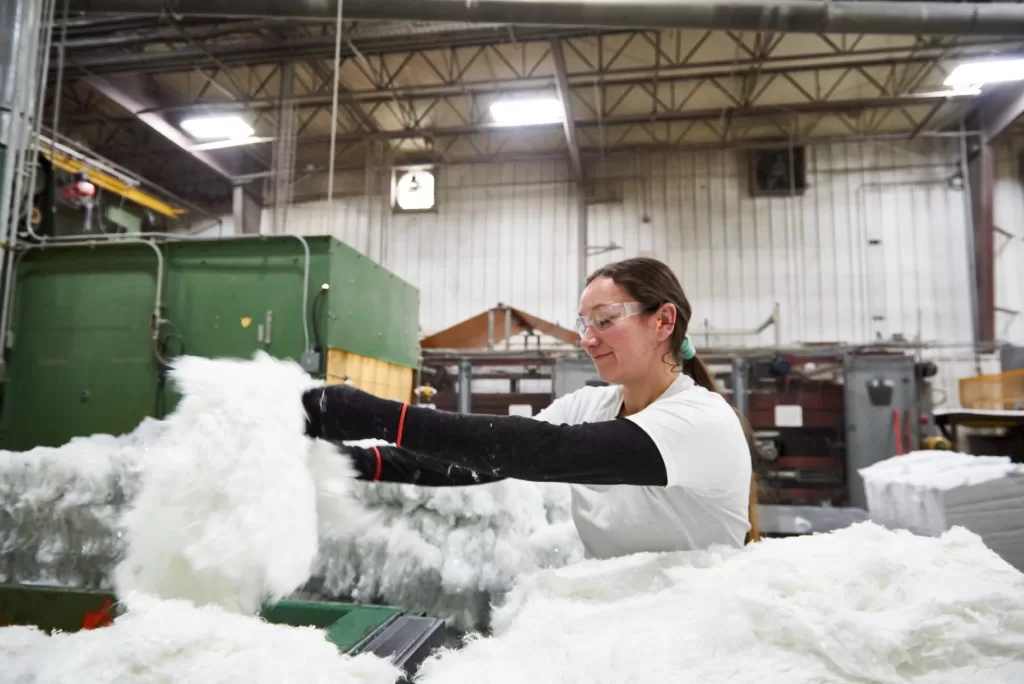
CMS leverages post-consumer recycled paper to create several products, offering solutions that minimize environmental impact without compromising quality. CMS uses recycled paper to create eco-friendly packaging solutions, acoustical solutions, and building insulation.
2. The Environmental Benefits of Recycled PET Plastic
Polyethylene terephthalate (PET) is a widely used plastic found in water bottles, food packaging, and textiles. PET is highly recyclable, and when processed correctly, it can be turned into new products again and again.
Key Environmental Benefits of Recycled PET:
- Prevents Plastic Pollution: Every ton of recycled PET plastic saves thousands of plastic containers from ending up in landfills or oceans.
- Energy Efficiency: Recycling PET requires significantly less energy—up to 79% less—than producing new plastic from petroleum.
- Lower Carbon Emissions: With less fossil fuel involved, the carbon footprint of recycled PET is far smaller than virgin plastic.
- Conservation of Resources: Reduces the demand for virgin plastic, which is made from finite fossil fuels.
CMS incorporates high-grade recycled PET into its manufacturing process to create innovative, lightweight, and sustainable products ideal for packaging and acoustical applications.
3. Closing the Loop: The power of Circular Product Design
One of the most powerful aspects of using recycled materials is that it promotes circularity—a model in which products and materials are reused, remanufactured, and recycled indefinitely.
Rather than following the traditional “take-make-dispose” model, CMS designs its products to fit a “make-use-reuse” model:
- Designed for end-of-life recycling
- Minimized reliance on virgin materials
- Support for post-consumer waste markets
- Compatible with existing recycling infrastructure
By embedding sustainability into every stage of the product lifecycle, CMS exemplifies how circular product design can significantly reduce environmental impact while meeting business demands for performance and reliability.
4. Economic and Social Advantages of Recycled Material Use
The benefits of using recycled materials aren’t just environmental—they’re economic and social too.
Economic Benefits:
- Cost Savings: Recycled materials often require less energy and fewer raw resources, lowering production costs over time.
- Local Sourcing: By using locally recycled materials, companies reduce shipping emissions and support local economies.
- Increased Marketability: Consumers are increasingly demanding sustainable products—brands that use recycled content often see a competitive advantage.
Social Benefits:
- Job Creation: Recycling and remanufacturing industries create significantly more jobs than landfilling or incineration.
- Corporate Responsibility: Companies that prioritize sustainable sourcing are more likely to meet ESG (Environmental, Social, and Governance) standards.
- Educational Impact: Products made from recycled materials raise awareness about sustainability, influencing consumer behavior and policy.
CMS’s efforts contribute directly to these outcomes, helping shift the marketplace toward long-term sustainability and accountability.
5. The CMS Difference: Innovation Meets Sustainability
What makes CMS stand out is its deep integration of sustainability, engineering, and design. CMS doesn’t just use recycled content—we innovate with it.
Our products are:
- Engineered for performance across a variety of industries
- Made with transparency, offering clear data on recycled content percentages
- Backed by a commitment to sustainability; from our manufacturing process to the product and its end-life
From eco-conscious packaging to sustainable acoustical solutions, CMS products embody the principles of responsible manufacturing—delivering quality, performance, and a lower environmental footprint.
6. How you can make a difference
Supporting recycled materials starts with intentional choices—both as a consumer and as a business.
Here’s how to take action:
- Choose recycled content products when shopping or sourcing materials
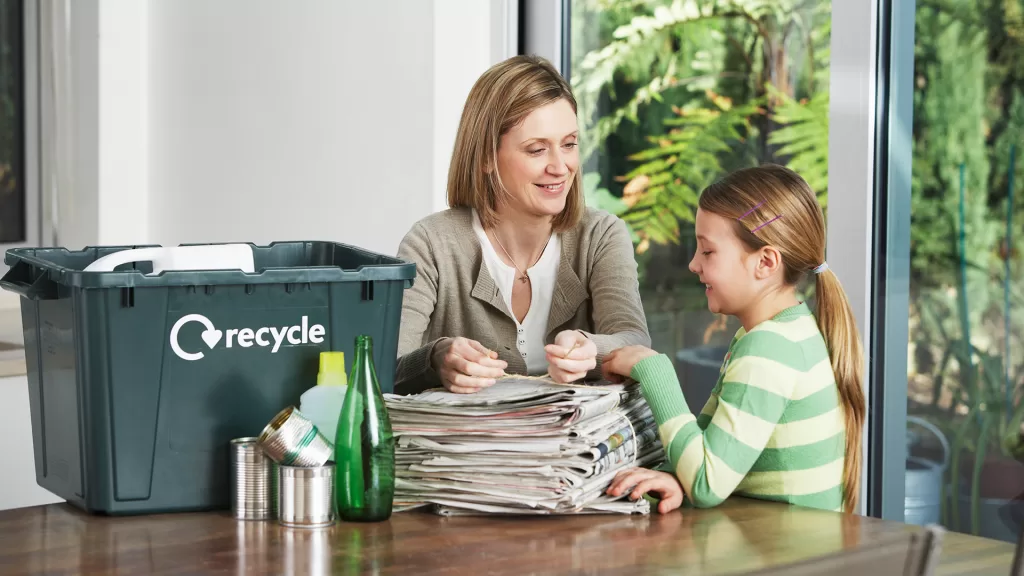
- Recycle at home; the paper and plastic used to create recycled-material products are reliant on users actively participating in their recycling journey
- Look for partners like CMS that prioritize sustainability and circular design
- Educate others about the environmental, economic, and social benefits of recycled materials
- Push for change in your workplace or supply chain to incorporate recycled and recyclable materials
Every small decision helps accelerate the shift toward a circular, low-waste future.
Final Thoughts: Building a Circular Economy, One product at a time
The climate and waste crises require bold, systems-level change—and using recycled materials is a tangible way to contribute. Products made from recycled paper and PET plastics offer measurable benefits for the planet and for society. And thanks to forward-thinking companies like CMS, we have access to innovative products that don’t compromise on quality, performance, or aesthetics.
The path to a sustainable future is paved with smart choices. Choose recycled. Choose circular. Choose CMS.