
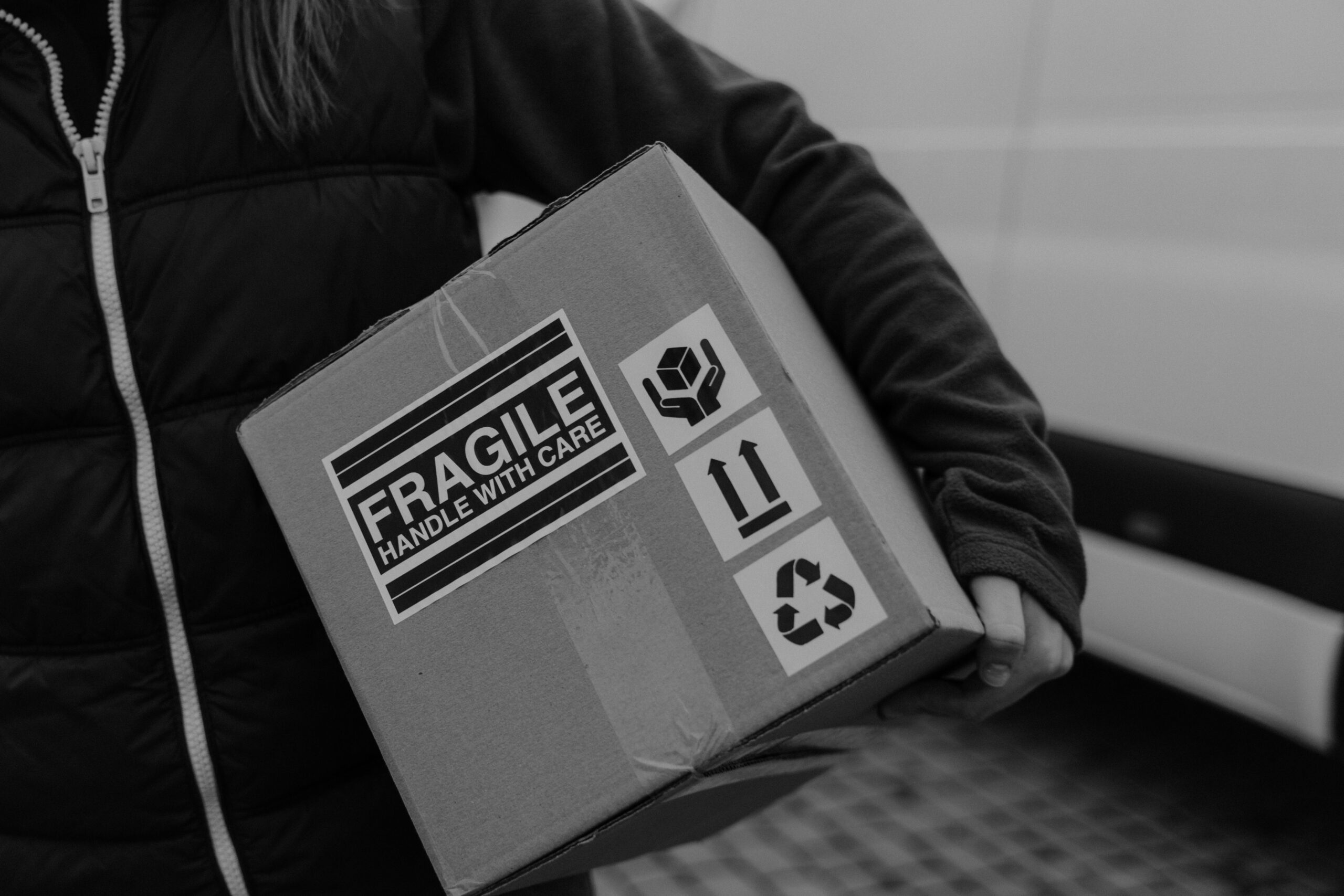
As businesses strive to reduce their environmental footprint, packaging should not be overlooked as it can play a crucial role in achieving sustainability goals. When it comes to protective packaging, it is essential for ensuring product safety during shipping and handling. However, traditional protective packaging options often leads to excess waste, inefficiency, and increased carbon emissions.
Custom protective packaging offers a more sustainable solution by optimizing material use, reducing waste, and enhancing product protection. Companies like Cellulose Material Solutions (CMS) are leading the way in providing innovative, eco-friendly packaging solutions that align with circular economy principles. Let’s explore how CMS’s custom protective packaging can help businesses become more sustainable while maintaining product integrity.
The Environmental Benefits of Custom Protective Packaging
1. Reducing Material Waste Through Precision Design
Standardized protective packaging solutions often require additional fillers such as foam, plastic wrap, or excess cardboard to secure products in place because standard solutions aren’t created with specific applications in mind. They’re created with a “one-size-fits-all” mentality. This leads to unnecessary waste by having to include additional materials, and that waste can contribute to further environmental pollution.
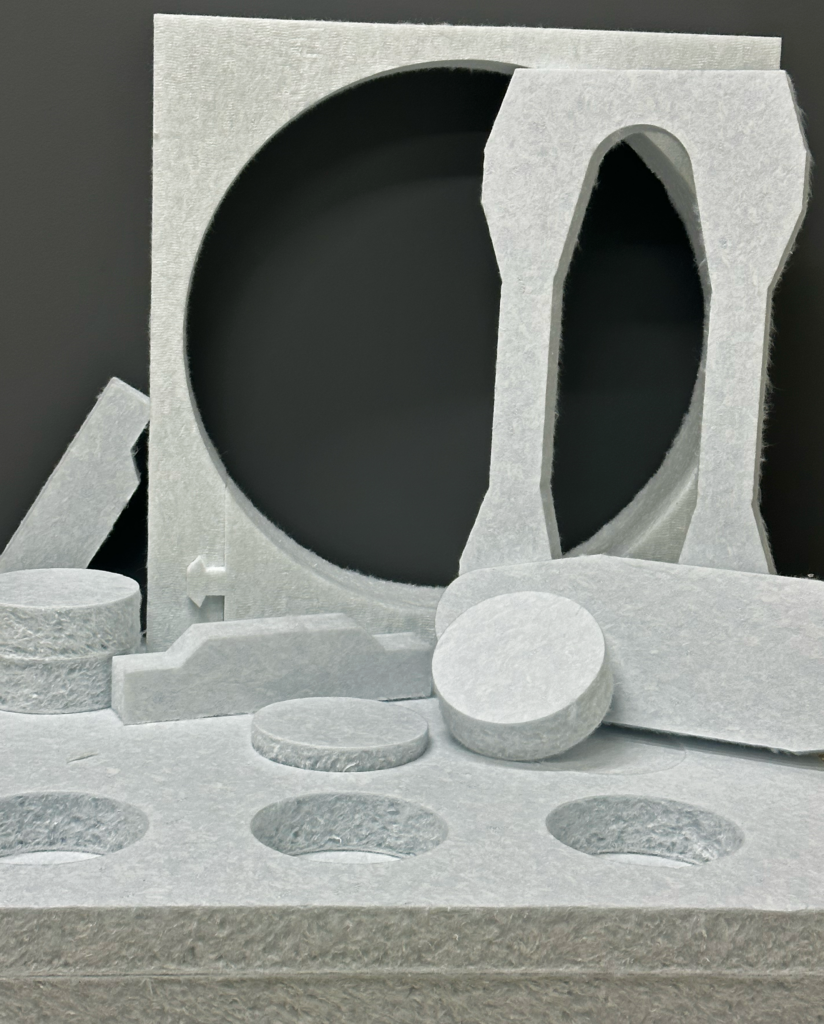
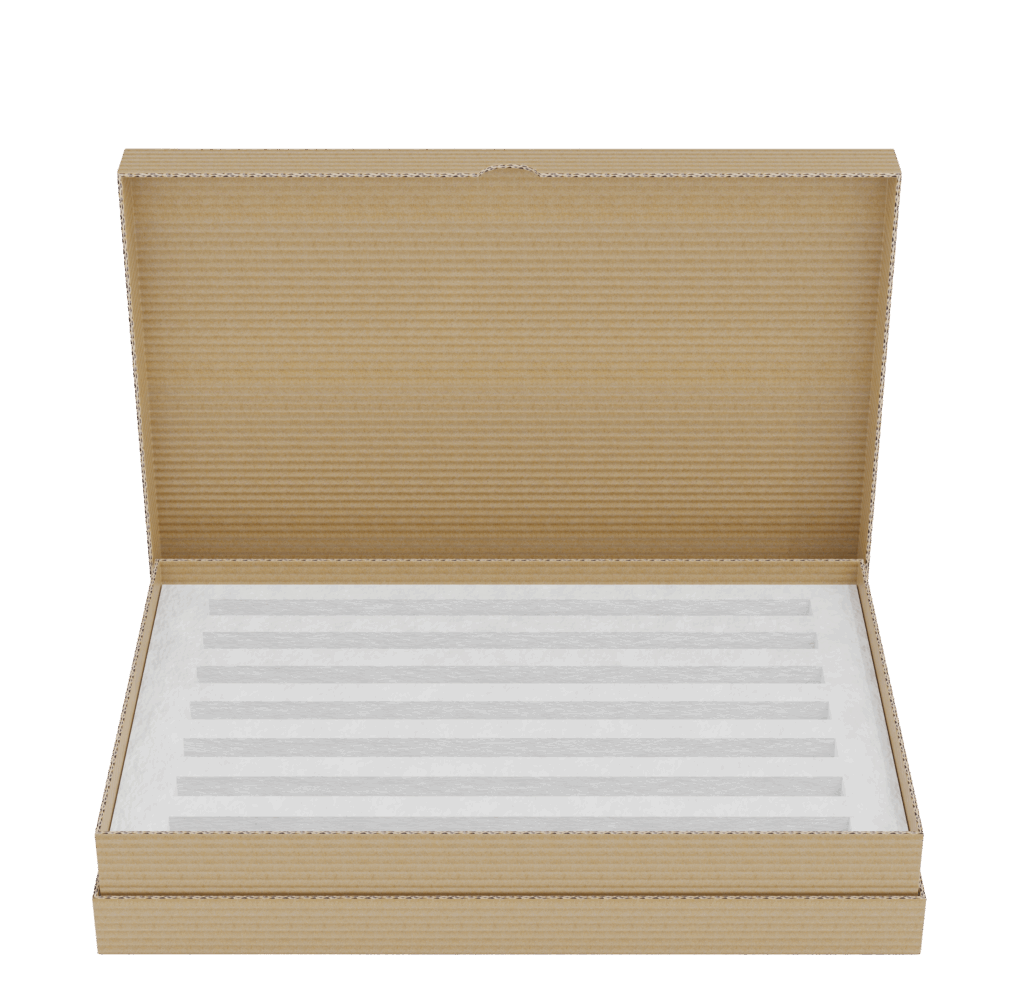
Custom protective packaging, however, is designed to fit each product precisely, eliminating the need for extra materials. CMS specializes in designing and engineering protective packaging that conforms to the exact product. It can be modified and cut to fit the product shape, size, and weight, ensuring a snug fit, entirely customized fit. This reduces material consumption as additional fillers aren’t necessary. This targeted approach not only minimizes waste but also enhances efficiency in packaging production.
2. Using Sustainable, Recycled Materials
The choice of packaging materials has a significant impact on sustainability. Many traditional protective packaging materials, such as Styrofoam and plastic air cushions, contribute to long-term waste issues. In other words, they’re not truly sustainable options.
CMS, on the other hand, prioritizes sustainability by manufacturing their protective packaging products using recycled materials. CMS protective packaging solutions are created from recycled water bottles, containing up to 80% recycled PET content. Because of this sustainable makeup, CMS packaging can even be recycled with plastics after use. The recycled materials used are also responsibly and domestically sourced from within the United States.
By choosing recycled and renewable packaging materials, businesses can reduce their reliance on virgin resources, lower carbon emissions, and further contribute to a more sustainable packaging lifecycle.
3. Enhancing Product Protection to Reduce Returns and Waste
One of the often-overlooked aspects of sustainability is the impact of damaged goods. When a product is damaged during transit, it results in additional waste, re-manufacturing, and increased shipping emissions for replacements. Traditional packaging options, because they’re created generically, aren’t always the best fit for truly protecting payloads. Often, the “one-size-fits-all” approach can lead to a lot of unnecessary product damage during transit.
Custom protective packaging significantly reduces damage rates by ensuring products are securely packaged and cushioned against impact, being customized entirely for the specific payload. CMS’s advanced, customized packaging designs help businesses:
- Reduce product breakage and returns by providing a packaging solution designed to cushion and protect the specific payload.
- Improve customer satisfaction with intact deliveries
- Lower overall resource consumption by preventing unnecessary waste created from goods being damaged in transit.
4. Supporting a Circular Economy with Responsible Packaging
A circular economy focuses on reducing waste, reusing materials, and recycling products at the end of their lifecycle. CMS emphasizes a circular approach to packaging by designing solutions that are not only protective but also environmentally responsible.
CMS aims to fulfill this approach through:
- Eco-conscious material selection to reduce environmental impact
- Designing for recyclability to ensure packaging can be repurposed after use
- Sustainable manufacturing practices where they prioritize having zero manufacturing waste
- Encouraging businesses to adopt sustainable products and practices
By integrating circular economy principles, CMS’s custom protective packaging helps businesses meet sustainability targets and reduce waste while providing reliable protective performance.
How Businesses Can Transition to Sustainable Protective Packaging
✅ Partner with Sustainable Packaging Experts
Collaborate with industry leaders like CMS to develop packaging solutions that balance protection, sustainability, and cost-efficiency.
✅ Prioritize Eco-Friendly Materials
Choose materials that are recycled, biodegradable, or compostable to reduce reliance on virgin plastic and unsustainable packaging.
✅ Invest in Smart Packaging Designs
Work with packaging engineers to optimize packaging shapes and sizes, reducing excess material usage and improving shipping efficiency.
✅ Educate Consumers on Responsible Disposal
Include clear recycling instructions on packaging to help consumers dispose of materials responsibly and keep them out of landfills.
✅ Monitor and Improve Sustainability Efforts
Track key sustainability metrics such as material usage, packaging waste reduction, and carbon footprint to continuously improve environmental performance.
Final Thoughts: Custom Protective Packaging as a Path to Sustainability
Sustainability and product protection no longer have to be at odds. With custom protective packaging, businesses can reduce waste, lower carbon emissions, enhance product security, and contribute to a greener planet.
By partnering with CMS, companies can implement sustainable packaging solutions tailored to their specific needs while supporting a circular economy. The shift towards custom, eco-friendly protective packaging is more than just an environmental responsibility—it’s a strategic move towards greater efficiency, reduced costs, and enhanced brand reputation.
To learn more about CMS’s custom protective packaging, click here