
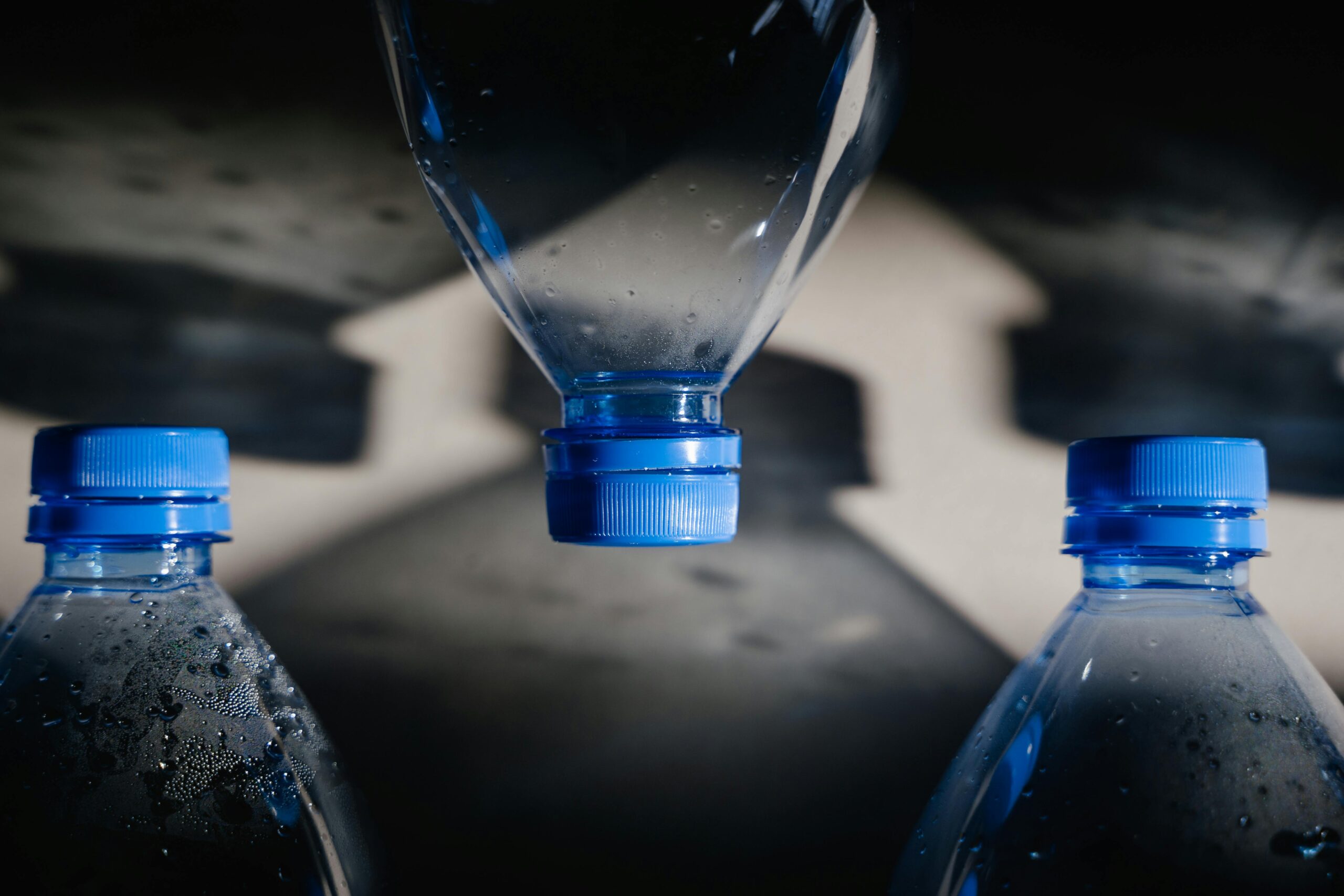
In a world striving for sustainability, recycled PET (rPET) is revolutionizing the way we view plastic. While plastic has long been associated with environmental issues, rPET proves that plastic can actually be harnessed as a sustainable resource. By repurposing used PET materials, industries are reducing waste, conserving energy, and promoting a circular economy.
WHAT IS rPET?
Polyethylene Terephthalate, commonly abbreviated to PET, is a widely used plastic found in water bottles, food containers, and textiles, and its lightweight nature combined with its durable strength help make it a preferred choice for manufacturers. PET is known for its durability, versatility, and popularity. However, many are starting to acknowledge PET for its inherent recyclability as well. Instead of discarding used PET products, they can be collected, cleaned, grinded, and processed into rPET—giving this plastic another life in creating new products.
ENVIRONMENTAL BENEFITS OF rPET
1. Reduced Carbon Footprint
Manufacturing rPET consumes less energy than producing virgin PET, leading to lower greenhouse gas emissions. In fact, to produce rPET, it requires up to 50% less energy than the production of new plastic. This reduces the overall environmental impact and can help support global sustainability efforts via a lower carbon footprint. It’s estimated that rPET’s carbon footprint is 79% lower than that of virgin PET.
2. Conservation of Natural Resources
An added bonus to rPET is its ability to be recycled over and over again without losing any of its crucial properties. By choosing to recycle PET, we minimize the need for new raw materials, reducing the environmental damage caused by resource extraction and processing.
3. Waste Reduction & Pollution Prevention
Using rPET helps divert millions of plastic bottles from landfills and oceans, tackling the plastic waste crisis while promoting responsible disposal and recycling. This practice supports a circular economy where materials are continuously being repurposed in an effort to limit—and hopefully one day eliminate—waste streams.

INDUSTRIES UTILIZING rPET
1. Fashion & Textiles
Sustainable brands are using rPET to produce high-quality clothing, shoes, upholstery, carpets, and more. By reducing the demand for virgin polyester, rPET is helping to promote sustainability in industries like fashion and interior design.
2. Packaging & Containers
Many beverage and food companies are turning to bottles and containers made from rPET, which maintain current safety and durability standards while reducing environmental impact. There are also packaging products being made from rPET that can be utilized to protect payloads during shipping, offering a more sustainable solution to existing EPS, PE, and PU solutions.
3. Automotive & Construction
rPET is even being incorporated into vehicle parts, insulation, flooring, acoustical paneling, furniture, and more, proving its versatility across industries.
ECONOMIC ADVANTAGES OF rPET
Beyond environmental benefits, rPET also provides financial incentives:
- Cost Savings: Recycled materials can lower production costs as they eliminate reliance on often more expensive raw, virgin materials and require less energy to manufacture. This benefits businesses and consumers alike.
- Job Creation: The recycling industry generates employment opportunities in waste management and manufacturing. As recycling continues to grow in popularity as a common practice, jobs in this industry will continue to be created.
- Brand Loyalty: Eco-conscious consumers prefer brands that prioritize sustainability, increasing customer engagement and retention.
How CMS is Making a Difference
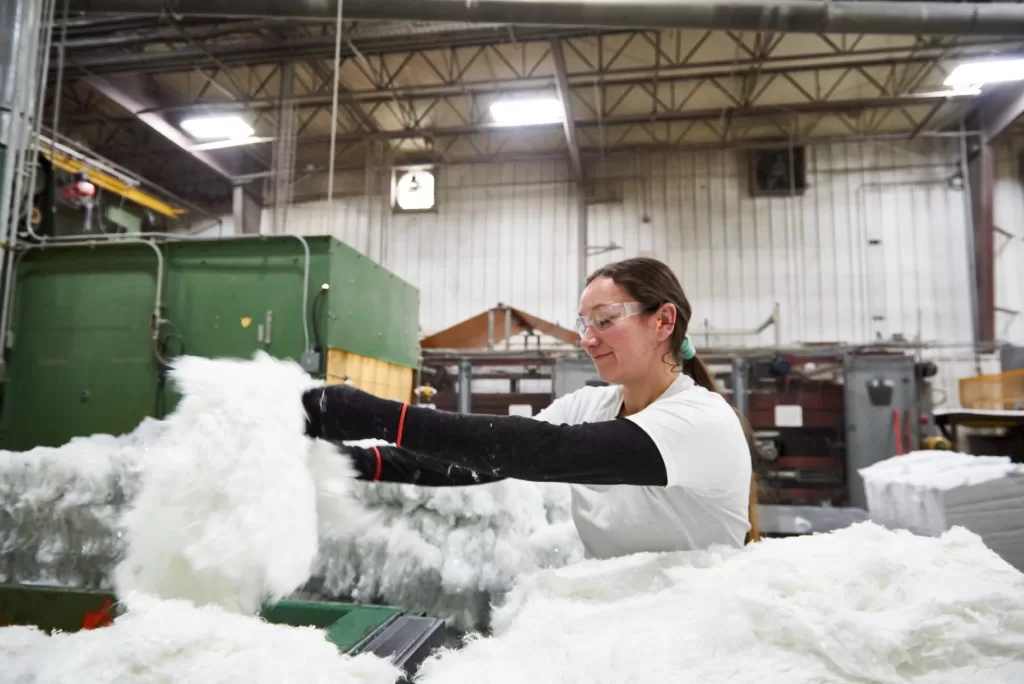
At Cellulose Material Solutions, LLC (CMS), we utilize rPET to manufacture a variety of products. For years, we have been advocating for the sustainable power of rPET in creating quality packaging and acoustical products. From InfinityCore thermal liners and InfinityCore protective packaging to acoustical panels, acoustical blankets, and Polyester Core, we at CMS harness rPET in many of our product offerings.
- Recycling 400,000 pounds of plastic each month.
→ Of that plastic, approximately 14 million plastic water bottles are recycled by CMS each month.
→ Fun fact: 1 square foot of an InfinityCore thermal liner prevents 5 plastic water bottles from entering a landfill or waterway. - Manufacturing 20 million pounds of recycled materials per year.
- CMS’ rPET-based InfinityCore packaging products have helped to replace at least 4 million EPS coolers.
- Pursuing zero waste manufacturing, as all our products are recyclable back into our own lines, eliminating scrap waste.
- Creating products that are recyclable after use to further play a part in promoting a circular economy.
Challenges & Considerations
While rPET offers numerous benefits, challenges do still exist, such as ensuring consistent quality and supply. Contamination during recycling can affect the purity of rPET, making efficient collection and processing systems essential. Moreover, consumer education on proper recycling practices plays a crucial role in the effectiveness of rPET initiatives.
Takeaways
Recycled PET plastic proves that plastic can be part of a sustainable future. By embracing rPET in various industries, we can significantly reduce waste, conserve resources, and lower carbon emissions. Supporting rPET products is a simple yet powerful step toward a more sustainable and circular economy.
Are you ready to make the switch to rPET? Look for and support brands, like CMS, who are incorporating recycled plastics in the manufacturing of their products. Additionally, you can be a part of the sustainability story by choosing to actively recycle PET plastic and other materials!